
The Bitter Harvest Of A Life Saved Yet Unseparated From The World
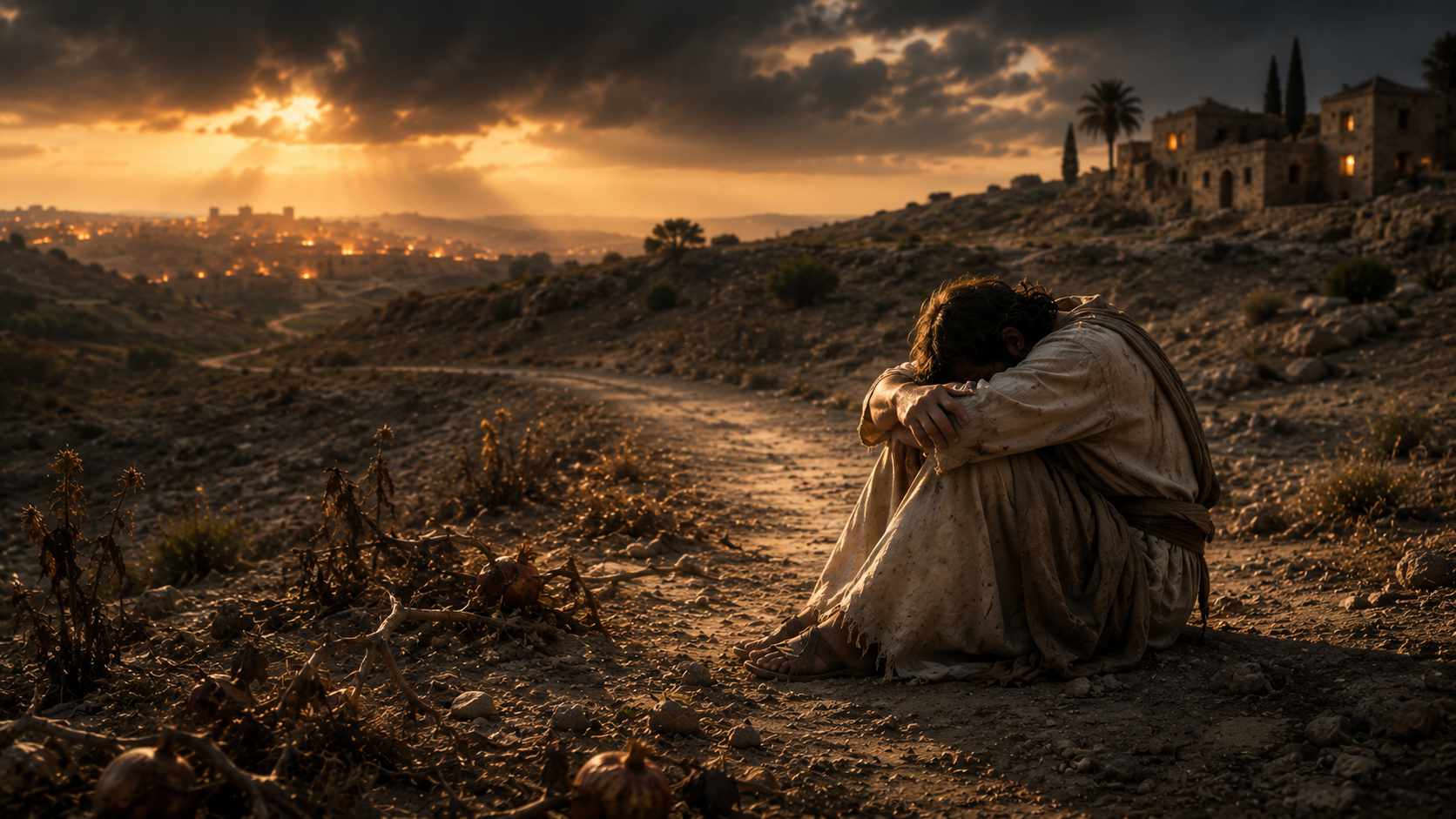
Text: Genesis 19:30–38
The destruction of Sodom marked the end of one of the most prosperous yet morally corrupt civilizations of the ancient world. Fire and brimstone had consumed the cities of the plain, demonstrating before all generations that God is holy, righteous and just in His judgments. Yet the account of Sodom does not conclude with the overthrow of the cities. Instead, the Spirit of God immediately turns our attention to the life of Lot and his daughters after their deliverance. This is significant because the consequences of compromise often continue long after the act of deliverance itself.
Lot had been mercifully rescued from the destruction that came upon Sodom. The angels had hastened him out of the city, and the Lord spared him because He remembered Abraham (Genesis 19:29). Nevertheless, deliverance from judgment did not instantly erase the influence that years of living among the ungodly had produced. Although Lot escaped the fire of Sodom, the spirit of Sodom had left deep impressions upon his household. The values, thinking and moral corruption of the city had silently shaped the hearts of his daughters until they could devise a plan that was both shameful and contrary to the will of God without any apparent sense of conviction. The closing verses of Genesis 19 therefore teach a solemn lesson. Salvation from danger is not the same as spiritual maturity. A believer may be rescued by the mercy of God and yet suffer painful consequences because of years of compromise, poor spiritual leadership and failure to separate from worldly influences. The decisions we make today shape not only our own lives but also the hearts of those entrusted to our care. Parents, spiritual leaders and every child of God must remember that the influence of a godly or ungodly life extends far beyond the present generation.
This passage also prepares the reader for later biblical history. From the sinful union recorded here came the nations of Moab and Ammon. Throughout much of Israel's history these two nations became persistent enemies of God's covenant people, leading them into idolatry, immorality and spiritual decline. What began as hidden sin in a lonely cave eventually affected generations and entire nations. Sin never remains private. Its consequences reach farther than the sinner imagines.
1. THE LASTING CONSEQUENCES OF A COMPROMISED LIFE
Genesis 19:30–35; Genesis 13:10–13; Proverbs 14:12; Romans 6:21; Galatians 6:7,8; James 1:14,15; 1 Corinthians 15:33.
Lot's deliverance from Sodom was entirely an act of divine mercy, yet his life after deliverance reveals that compromise leaves scars which mercy does not automatically remove. The man who once chose the fertile plains because they appeared attractive eventually found himself dwelling in a cave, stripped of his possessions, his wife, his influence and much of his family. The pleasures that first attracted him to Sodom had vanished, leaving only sorrow and painful consequences. The actions of Lot's daughters reveal how deeply the moral atmosphere of Sodom had influenced their thinking. Having lived for years in a city where God's standards were rejected and human passions governed society, they no longer viewed moral purity through the lens of divine truth. Instead of trusting the Lord to preserve their future, they devised a sinful plan according to worldly reasoning. Their decision reflected not merely a moment of desperation but hearts that had been shaped by an environment where sin had become normal and righteousness had become foreign.
Parents often underestimate the influence their choices have upon their children. Lot undoubtedly grieved over the wickedness of Sodom, yet he continued to live there because of its advantages. His daughters learned more from where he chose to live than from what he may have taught them. Children are deeply influenced by the priorities, values and examples they observe daily. A home cannot remain spiritually healthy when it continually exposes itself to influences that oppose the truth of God. Scripture repeatedly teaches that whatever a man sows, that shall he also reap. The seeds of compromise may remain hidden for years before their harvest becomes visible, but the harvest will surely come unless the grace of God intervenes through genuine repentance and renewed obedience.
2. THE DANGER OF LOSING SPIRITUAL DISCERNMENT
Genesis 19:30–36; Isaiah 5:20; Romans 1:21–28; Ephesians 4:17–19; Hebrews 3:12,13; Psalm 119:9–11; Proverbs 4:23.
One of the saddest features of this passage is the complete absence of spiritual discernment. Neither Lot nor his daughters sought the counsel of God concerning their future. Fear replaced faith, human reasoning replaced divine wisdom, and sinful expediency replaced patient trust in the Lord. When men cease to seek God's direction, they inevitably become vulnerable to decisions that dishonour Him. The moral blindness displayed by Lot's daughters did not arise overnight. It was the product of prolonged exposure to a corrupt society. Sodom had celebrated what God condemned, and over time its values had silently shaped their consciences. This illustrates a principle found throughout Scripture: when truth is continually rejected, the conscience gradually loses its sensitivity. What once appeared sinful eventually appears acceptable, and what once produced conviction no longer troubles the heart.
The believer must therefore guard his heart diligently. Spiritual discernment is maintained through continual fellowship with God, meditation upon His Word and submission to the leading of the Holy Spirit. When these means of grace are neglected, worldly thinking slowly replaces biblical thinking. The danger is often subtle because the outward life may retain the appearance of religion while the inward convictions steadily weaken. The Christian who desires to remain faithful in an increasingly corrupt world must continually renew his mind according to the truth of Scripture. God's Word exposes deception, corrects false reasoning and preserves the believer from adopting the values of a society that has turned away from its Creator.
3. THE FAR-REACHING CONSEQUENCES OF SIN AND THE FAITHFULNESS OF GOD'S PURPOSE
Genesis 19:37–38; Deuteronomy 23:3–6; Judges 3:12–14; 1 Kings 11:1–7; Ruth 1:1–4; Matthew 1:5; Romans 5:20; Genesis 50:20.
The sons born to Lot's daughters became the fathers of the Moabites and the Ammonites. Throughout Israel's history these nations repeatedly opposed God's people, enticed them into idolatry and became instruments of spiritual decline. A single act of sin in one generation eventually produced consequences that extended through centuries. This reminds us that our actions often influence people whom we will never meet and generations we will never see. Yet even within this dark account, the grace and sovereignty of God shine brightly. Although the Moabites frequently opposed Israel, the Lord, in His wonderful mercy, brought forth Ruth the Moabitess. Through her faith in the God of Israel, she became the great-grandmother of King David and was included in the genealogy of Jesus Christ. This does not lessen the seriousness of Lot's compromise, nor does it excuse the sins committed in this passage. Rather, it magnifies the greatness of God's redemptive purpose, demonstrating that human failure can never overthrow His eternal plan.
The history of redemption continually reveals this truth. Men often sow sin, but God continues to accomplish His righteous purposes through those who humble themselves before Him in faith. Ruth rejected the idolatry of Moab, embraced the covenant God of Israel and found mercy under His wings. Her life stands in beautiful contrast to the tragic beginning of the nation from which she came. Believers should therefore be encouraged never to despair over the failures of the past. Sin brings painful consequences, but sincere repentance opens the way for God's restoring grace. While we cannot erase yesterday's decisions, we may begin today to walk in obedience, trusting the Lord to accomplish His purposes through lives wholly yielded to Him.
CONCLUSION
Genesis 19:30–38 closes the account of Lot with a solemn reminder that compromise never ends where we expect it to end. Lot escaped the destruction of Sodom through the mercy of God, yet the influence of Sodom continued to bear bitter fruit within his own family. His life warns every believer that worldly compromise, neglected spiritual leadership and failure to trust God leave consequences that often extend beyond one generation.
At the same time, this passage magnifies both the justice and the grace of God. He faithfully judges sin, yet He continues to work out His covenant purposes despite human failure. The appearance of Ruth in the lineage of Christ reminds us that God's grace reaches into the darkest chapters of history to redeem those who turn to Him in faith. Every believer should therefore examine his own life. Are our decisions strengthening the spiritual lives of those around us, or are we leaving behind influences that may lead others away from the Lord? Are we trusting God's wisdom when the future seems uncertain, or are we relying upon worldly reasoning? The Lord calls His people to wholehearted separation from the spirit of this age, steadfast confidence in His promises and faithful obedience to His Word. Those who walk in His ways will discover that His wisdom preserves, His grace restores and His purposes stand forever.

About Apprentice of the Word
Software engineer by profession, Student of the Word for life